Worlds BeyondTHE LIVING EXOPLANET ATLAS
YOUR NEXT WORLD STARTS HERE

What are you curious about?

Search a planet designation, host star or discovery facility.

CATALOGUE LIVE6,375 WORLDS
Menu ☰HomeExploreDiscoveriesPlanet TypesSystemsStatisticsLearnAbout
THE SEARCH FOR ANOTHER EARTH

Earth 2.0 Candidates

Four compelling targets in the search for potentially Earth-like environments.

“Earth 2.0” is an invitation to explore, not a scientific classification. These are confirmed planets selected as promising research targets, not unconfirmed planet candidates or a ranked list of Earth twins. No Earth twin, surface ocean or life is established here.

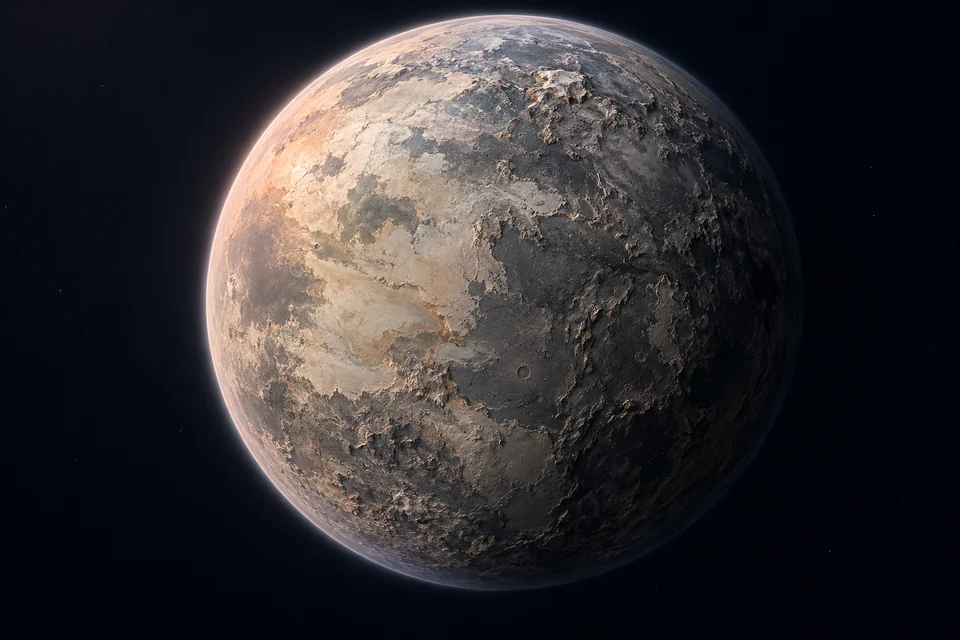
Artist’s impression of TRAPPIST-1 e. Appearance is interpretive, not an observed surface.
ARTIST’S IMPRESSION
CONFIRMED PLANET · HABITABLE-ZONE TARGET

TRAPPIST-1 e ↗

A nearby laboratory for rocky worlds.

Distance
40.5 light-years
Year length
6.1 Earth days

Why it’s interesting

Its Earth-like size and position in the habitable zone make it a valuable target for atmospheric studies.

The open question

An atmosphere, surface liquid water and habitable conditions remain unestablished. Red-dwarf activity complicates the picture.

The illustration imagines this planet’s appearance; colours and terrain are not observations.

Scientific context · NASA ↗
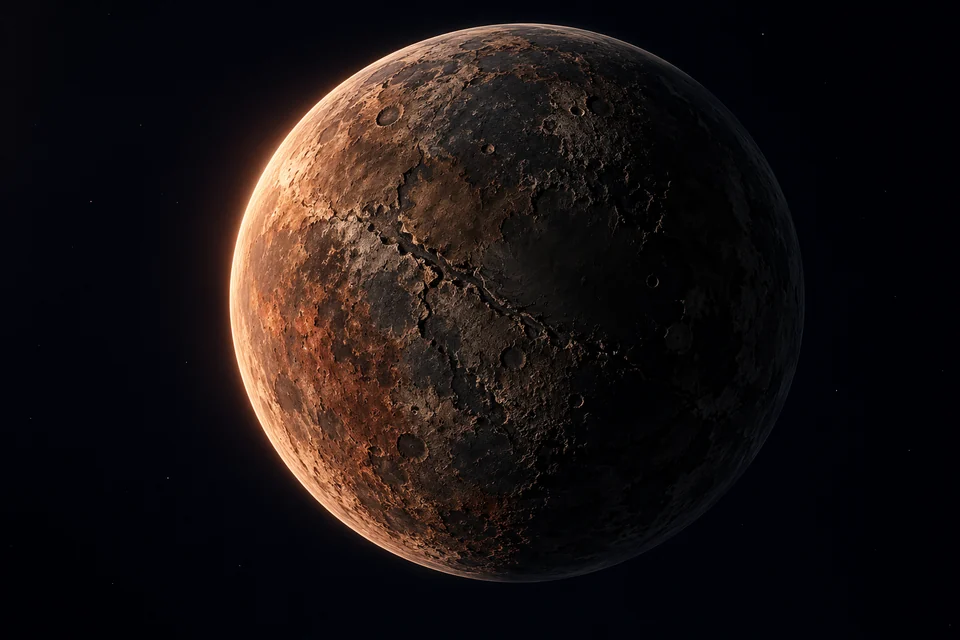
Artist’s impression of TOI-700 d. Appearance is interpretive, not an observed surface.
ARTIST’S IMPRESSION
CONFIRMED PLANET · HABITABLE-ZONE TARGET

TOI-700 d ↗

A small world in a temperate orbit.

Distance
101.5 light-years
Year length
37.42 Earth days

Why it’s interesting

An Earth-sized planet discovered by TESS in its red-dwarf star’s habitable zone.

The open question

Its atmosphere and surface are unknown. Climate simulations explore possibilities; they do not show observed oceans.

The illustration imagines this planet’s appearance; colours and terrain are not observations.

Scientific context · NASA ↗
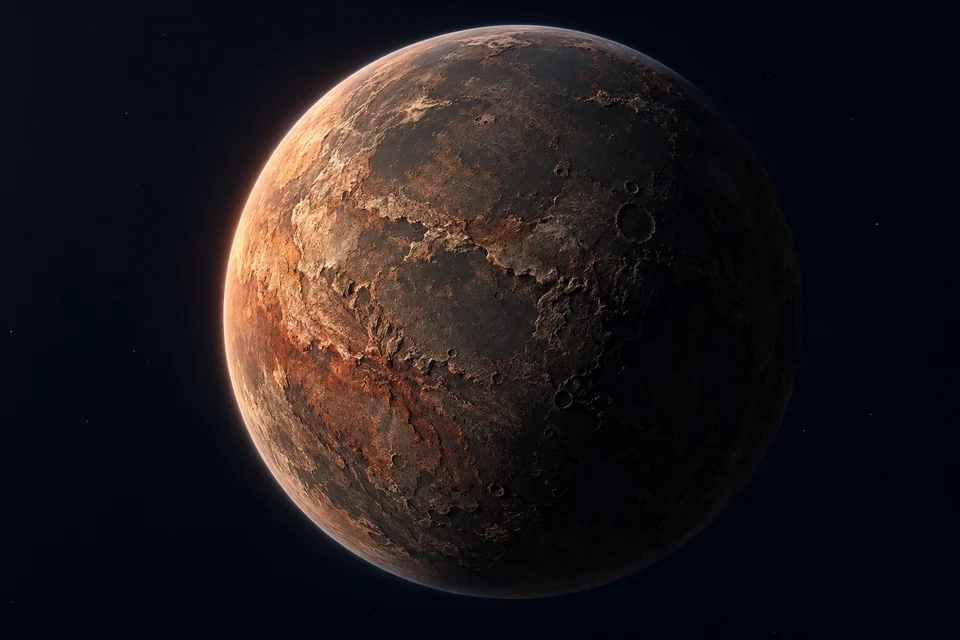
Artist’s impression of Kepler-186 f. Appearance is interpretive, not an observed surface.
ARTIST’S IMPRESSION
CONFIRMED PLANET · HABITABLE-ZONE TARGET

Kepler-186 f ↗

A milestone in the search for Earth-sized worlds.

Distance
579.2 light-years
Year length
129.94 Earth days

Why it’s interesting

The first validated Earth-sized planet found in the habitable zone of another star.

The open question

Its size and orbit cannot establish an Earth-like climate. Atmospheric properties and surface conditions remain unknown.

The illustration imagines this planet’s appearance; colours and terrain are not observations.

Scientific context · NASA ↗
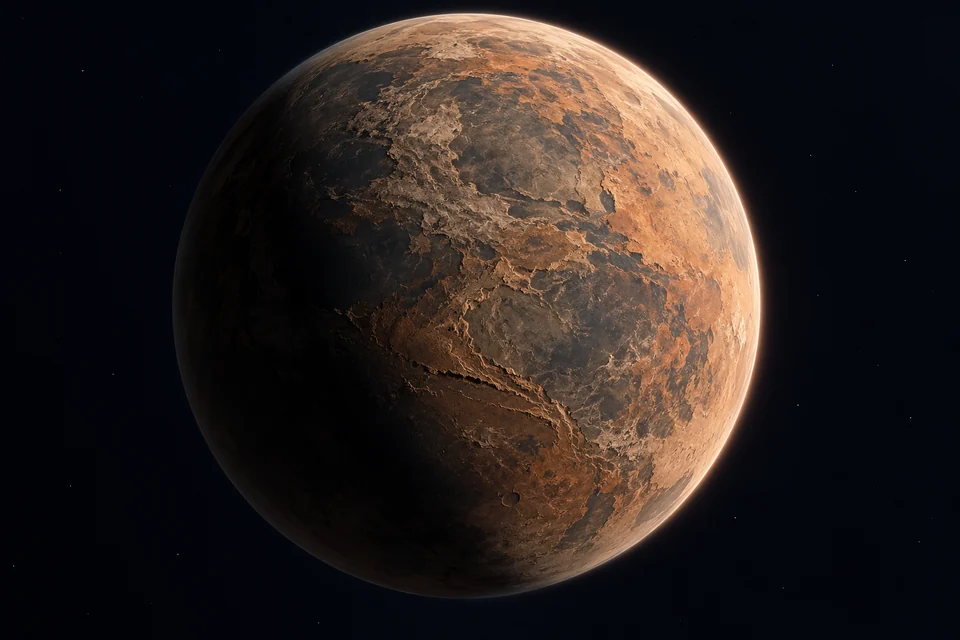
Artist’s impression of Proxima Cen b. Appearance is interpretive, not an observed surface.
ARTIST’S IMPRESSION
CONFIRMED PLANET · HABITABLE-ZONE TARGET

Proxima Cen b ↗

The nearest place to ask the question.

Distance
4.2 light-years
Year length
11.18 Earth days

Why it’s interesting

A planet in our nearest stellar neighbourhood, with an orbit in its star’s habitable zone and a mass comparable to Earth.

The open question

Its star produces strong flares, and its atmosphere and surface conditions are unknown. Its radius is less securely established than those of transiting worlds.

The illustration imagines this planet’s appearance; colours and terrain are not observations.

Scientific context · NASA ↗

What makes a world worth investigating?

A small size or Earth-like mass and an orbit that could allow liquid water with a suitable atmosphere make a useful starting point. The habitable zone describes stellar heating, not a measured climate. Atmospheric survival, radiation, chemistry and geological history all matter.

This is an editorial selection of four well-studied targets, not a calculation of habitability probabilities. Numerical facts come from the current NASA archive snapshot; the context links explain the selection.
Understand the habitable zone ↗